Career pathways
- Epidemiology and Disease Control
- Environmental and Occupational Health
- Biostatistics and Data Analysis
- Maternal and Child Health
- Health Promotion and Education
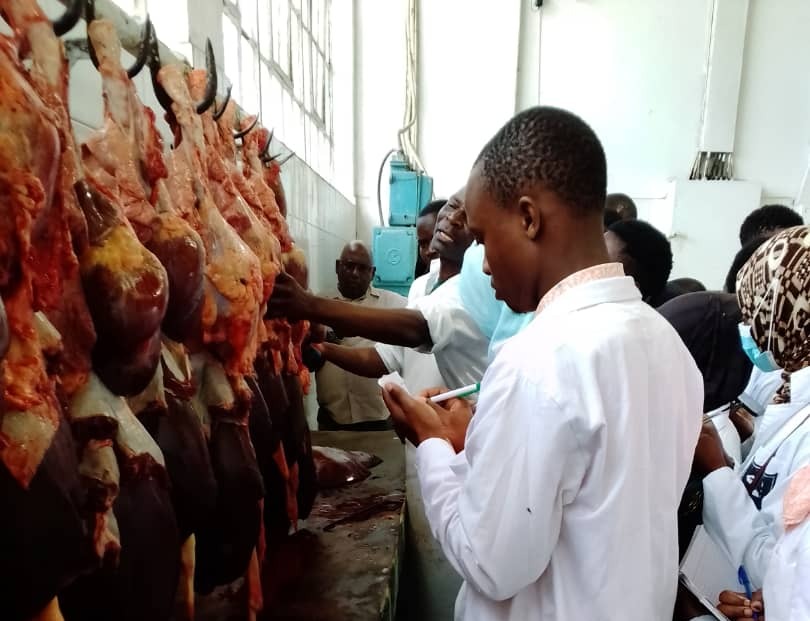
Public Health is the science and art of preventing disease, prolonging life, and promoting health through organized efforts of society, institutions, and individuals. It focuses on protecting and improving the health of communities rather than treating diseases in individuals. The discipline emphasizes prevention, health promotion, policy development, and health education to ensure populations live longer, healthier lives.
Historically, public health emerged as a response to infectious disease outbreaks and poor sanitation during the industrial revolution. Over time, its scope has expanded to include non-communicable diseases, maternal and child health, environmental health, mental health, and health systems strengthening.
Public health professionals work in diverse areas such as epidemiology, biostatistics, health policy and management, environmental health, and social and behavioral sciences. Their work involves disease surveillance, community health interventions, health research, and advocacy for health equity.
In Malawi (and similar contexts), public health plays a crucial role in addressing major health challenges such as malaria, HIV/AIDS, tuberculosis, malnutrition, and emerging non-communicable diseases. The focus has increasingly shifted towards community-based approaches, preventive care, and strengthening primary health care systems.